Understanding Chronic Pancreatitis and Its Dietary Needs
What is Chronic Pancreatitis and How Does It Affect Digestion?
The pancreas is an organ that is located behind your stomach. It is involved in two very important processes in your body: the digestion of food and the regulation of blood sugar levels.
The food you eat moves down into your stomach and then to your small intestine. When the food reaches the small intestine, your pancreas releases pancreatic enzymes into the intestine. These enzymes help break down the protein, fat, and carbohydrates from the food you eat, allowing the body to absorb essential nutrients.
Soon after you eat a meal that contains carbohydrates, your blood sugar levels rise. The pancreas makes and releases a hormone called insulin that tells your cells to take up the sugar from your bloodstream. This is how the pancreas helps keep your blood sugar levels balanced.
When the pancreas becomes inflamed, it’s called pancreatitis. You can either have acute or chronic pancreatitis.
In acute pancreatitis, the pancreas suddenly becomes inflamed and usually resolves after treatment. Gallstones or drinking too much alcohol are the most common causes of acute pancreatitis.
Conversely, chronic pancreatitis develops over many years and causes irreversible damage. While the most common cause is excessive alcohol intake over a long period, other causes, such as smoking, genetic diseases of the pancreas, and acute pancreatitis, can also damage the pancreas.
We will be focusing on chronic pancreatitis for the remainder of this article.
The Role of Diet in Managing Chronic Pancreatitis
Diet plays an essential role in managing chronic pancreatitis. Pancreatic enzymes help break down the foods you eat and are particularly important for metabolizing fats. Fat malabsorption may appear with chronic pancreatitis because the pancreas cannot properly break down fats.
A low-fat diet is generally recommended for chronic pancreatitis. Too much fat in the diet can cause chronic pancreatitis flare ups. Consuming too much fat may also trigger signs of fat malabsorption, such as stools that float or have a bad odor.
While there is not a set standard for the amount of fat allowed on a diet for chronic pancreatitis, some sources recommend a maximum of 50 grams per day. To put this into perspective, someone eating a diet of 2,000 calories per day would only be getting about 22% of their calories from fat. This is on the low end of the 2020-2025 Dietary Guidelines for Americans recommendation of 20-35% of calories from fat.
Since the pancreas is involved in blood sugar regulation, chronic pancreas can lead to diabetes. When the pancreas does not function properly, insulin is not released and sugar remains high in the bloodstream.
Note: this article focuses on chronic pancreatitis without diabetes. Special dietary considerations exist for individuals with chronic pancreatitis and diabetes, so working with a diabetes registered dietitian is essential to help tailor your plan to your unique health needs.
Key Guidelines for a Chronic Pancreatitis Diet
Foods to Avoid: High-Fat Foods
Here are some foods to avoid on a low-fat diet for chronic pancreatitis:
Fatty meats like beef, pork ribs, chicken thighs, and bacon
Processed meats such as sausage and salami
Whole milk dairy products including milk, ice cream, cheese, cream, cottage cheese, and yogurt
Whole eggs
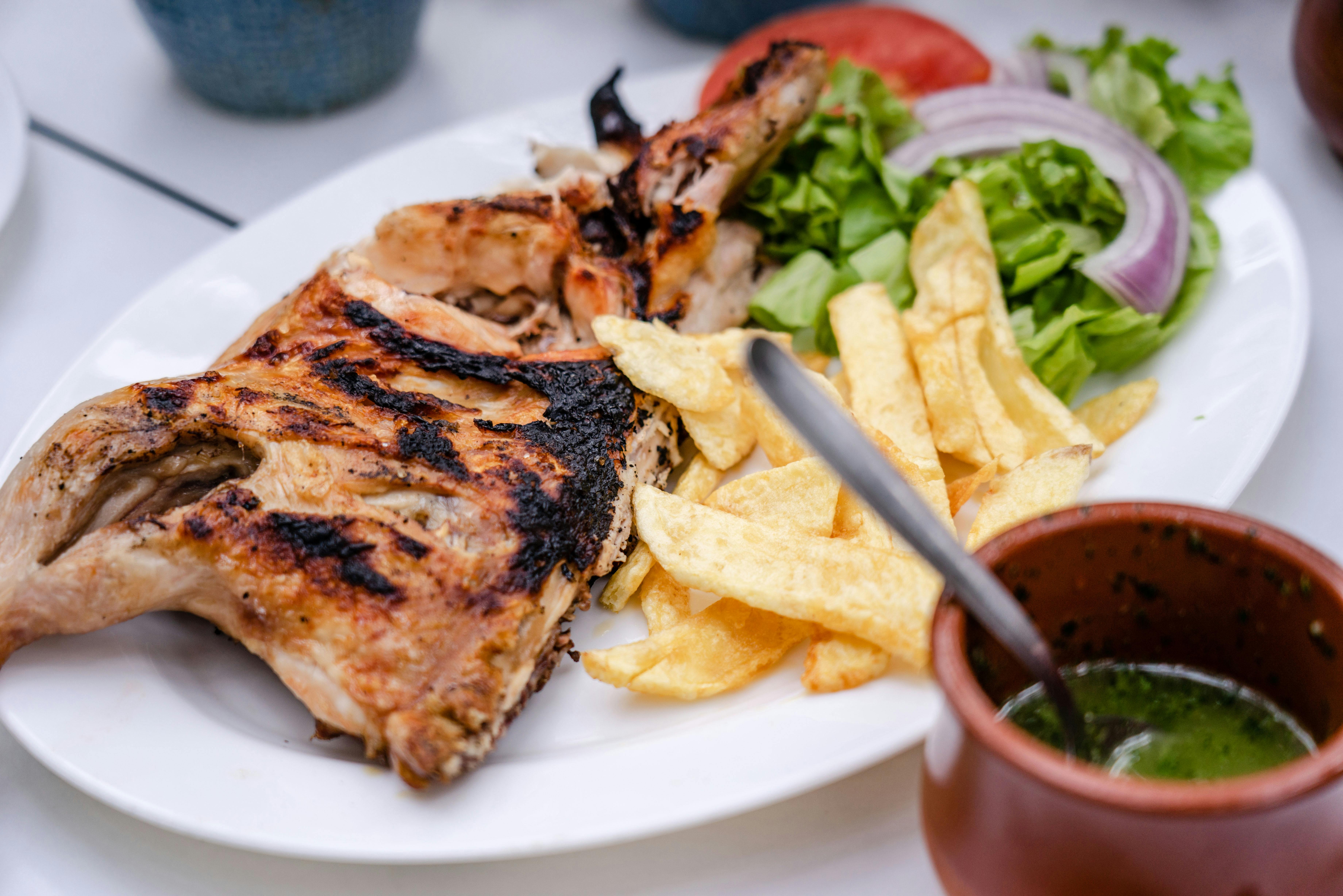
Fried foods
Butter or foods with added butter
High-fat baked goods like cookies, cakes, pies, and pastries
High-fat snack foods like chips, nuts, seeds, and granola bars
High-fat condiments such as mayonnaise, ranch, or Russian dressing
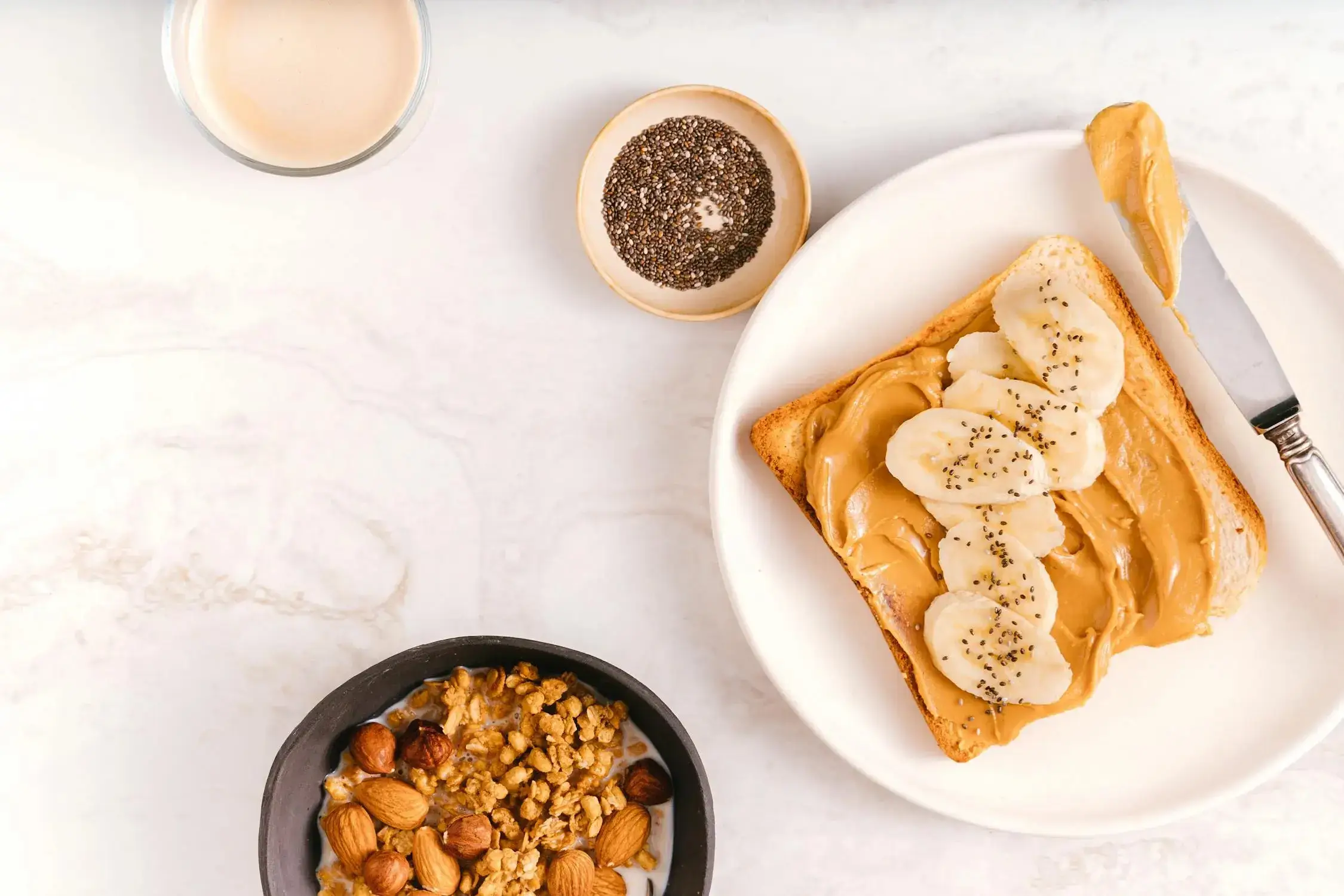
Small amounts of healthy fats such as avocado, nut butters, or olive oil may be okay in moderation, but be aware that these are still sources of fat. Even healthy fats count toward your total daily amount of fat.
Avoid Alcohol
While the mechanisms are not fully understood yet, research suggests that heavy alcohol use can cause the pancreas to make toxic substances. This can lead to early activation of pancreatic enzymes which digest the pancreas and cause inflammation.
It is recommended to avoid alcohol. This can help prevent further damage to your pancreas and may help reduce pain.
The Importance of Small, Frequent Meals
Individuals with chronic pancreatitis should consume small, frequent meals to help distribute fat intake throughout the day. This reduces the need for pancreatic enzymes to break down food at each meal.
If you have pancreatitis, consider switching from three larger meals a day to three smaller meals with at least one snack. H3: Foods to Include: Focus on Nutrients
Chronic pancreatitis can cause poor absorption of nutrients, especially the fat-soluble vitamins A, D, E, and K. These vitamins require fat for absorption. If your body is unable to absorb fats well, then you may be at risk for fat-soluble vitamin deficiencies. Fruits and vegetables provide vitamins A, E, and K, so it is important to add these foods to your diet to help prevent nutrient deficiencies with chronic pancreatitis.
Some people with chronic pancreatitis may need to take vitamin supplements to help with nutrient deficiencies. They may also need digestive enzymes to help with food breakdown and absorption. Your healthcare team and registered dietitian can help decide if these are right for you.