Your 7-Day Meal Plan to Help Manage Acid Reflux
Note: The sample 7-day meal plan provided here is intended for informational purposes only and may not be suitable for everyone. If you have other medical conditions, allergies, or dietary restrictions, it is essential to consult with your physician or a registered dietitian before making any significant changes to your diet.
Understanding Acid Reflux
What is Acid Reflux and How Does it Differ from GERD?
Acid reflux and gastroesophageal reflux disease (GERD) are often used interchangeably; however, although they are closely related, they are not the same.
When you eat food, it travels from your mouth, down your esophagus, and into your stomach. The acidic environment in your stomach helps break down food as part of the process of digestion.
Under normal conditions, food and drink travel from your esophagus to your stomach in a one-way direction. But sometimes, stomach contents can flow back up into the esophagus, leading to an uncomfortable burning sensation. This is known as acid reflux, often called “heartburn” when the discomfort is felt in the chest.
When acid reflux happens more frequently, it may be diagnoses as GERD. GERD is a more severe form of acid reflux and often comes with additional symptoms like trouble swallowing, persistent coughing, or regurgitation (when food or liquid comes back up into the mouth). In this article, we’ll focus on managing acid reflux, not GERD. If you’re looking for guidance on GERD, check out our 7-Day Meal Plan for GERD.
Even if your symptoms are infrequent, it’s a good idea to discuss them with your healthcare provider. Left unmanaged, occasional acid reflux can potentially develop into GERD. By taking steps now, you can better manage symptoms and help prevent progression.

Key Guidelines for an Acid Reflux-Friendly Eating Plan
Managing acid reflux starts with making thoughtful changes to your eating habits. The primary strategies include steering clear of trigger foods, focusing on portion control, and timing your meals to reduce the likelihood of reflux episodes. Here are some key guidelines:
Avoid common trigger foods: Limit acidic, spicy, and high-fat foods that are known to irritate the esophagus or relax the lower esophageal sphincter (LES), the muscle that helps keep acid in the stomach.
Choose smaller, more frequent meals: Large meals can increase pressure on the LES, making reflux more likely. Aim for smaller portions spread out over the day to keep digestion manageable.
Time your meals strategically: Avoid eating at least 2-3 hours before lying down or going to bed. This gives your stomach time to digest food and reduces the risk of acid traveling back up.
Stay upright after meals: Sitting or standing for at least 30 minutes after eating helps gravity keep stomach contents where they belong.
Chew thoroughly and eat slowly: Eating too quickly can contribute to swallowing excess air and overeating, both of which can trigger reflux symptoms.
Foods to Limit or Avoid
If you experience occasional acid reflux, steering clear of common trigger foods can make a significant difference. Here’s a list to keep in mind:
Acidic foods: citrus fruits (oranges, lemons, grapefruit), tropical fruits (pineapple, mango), vinegar-based foods, and tomato products (sauces, ketchup, salsa)
Spicy foods: hot peppers, cayenne, chili powder, and dishes prepared with these ingredients
High-fat foods: fried foods, fatty cuts of meat, full-fat dairy products, and processed snacks like chips or pastries
Caffeinated drinks: coffee, black tea, green tea, and energy drinks can stimulate acid production and weaken the LES
Alcoholic beverages: beer, wine, and spirits can irritate the esophagus and weaken the LES
Chocolate: contains both caffeine and a compound called theobromine, which can relax the LES
Mint: peppermint and spearmint can relax the LES, making it easier for acid to backflow
It’s important to note that not everyone will react to all these foods Keeping a food and symptoms journal can help identify your personal triggers. Additionally, consulting with a registered dietitian can provide personalized guidance.
Reflux-Friendly Foods
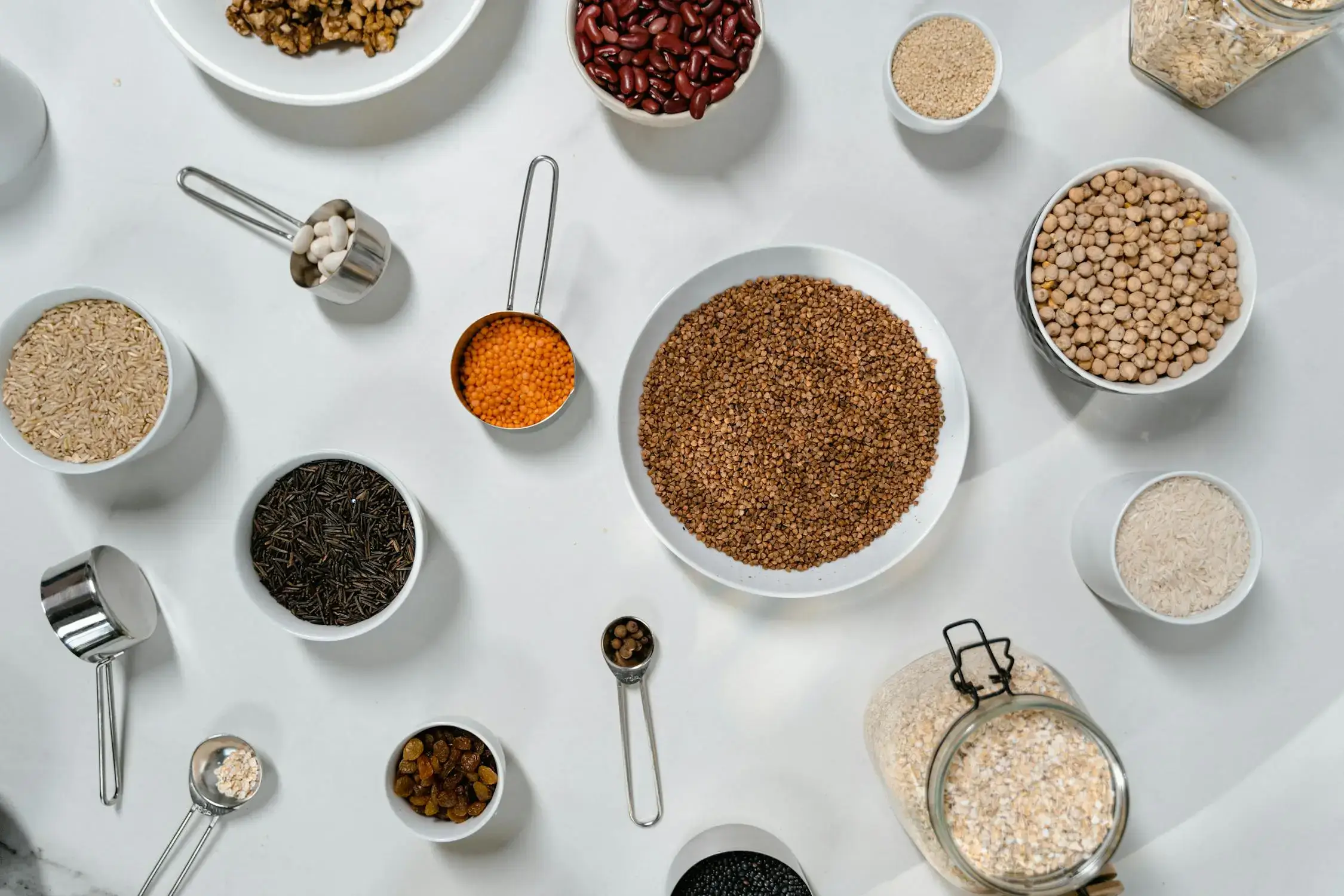
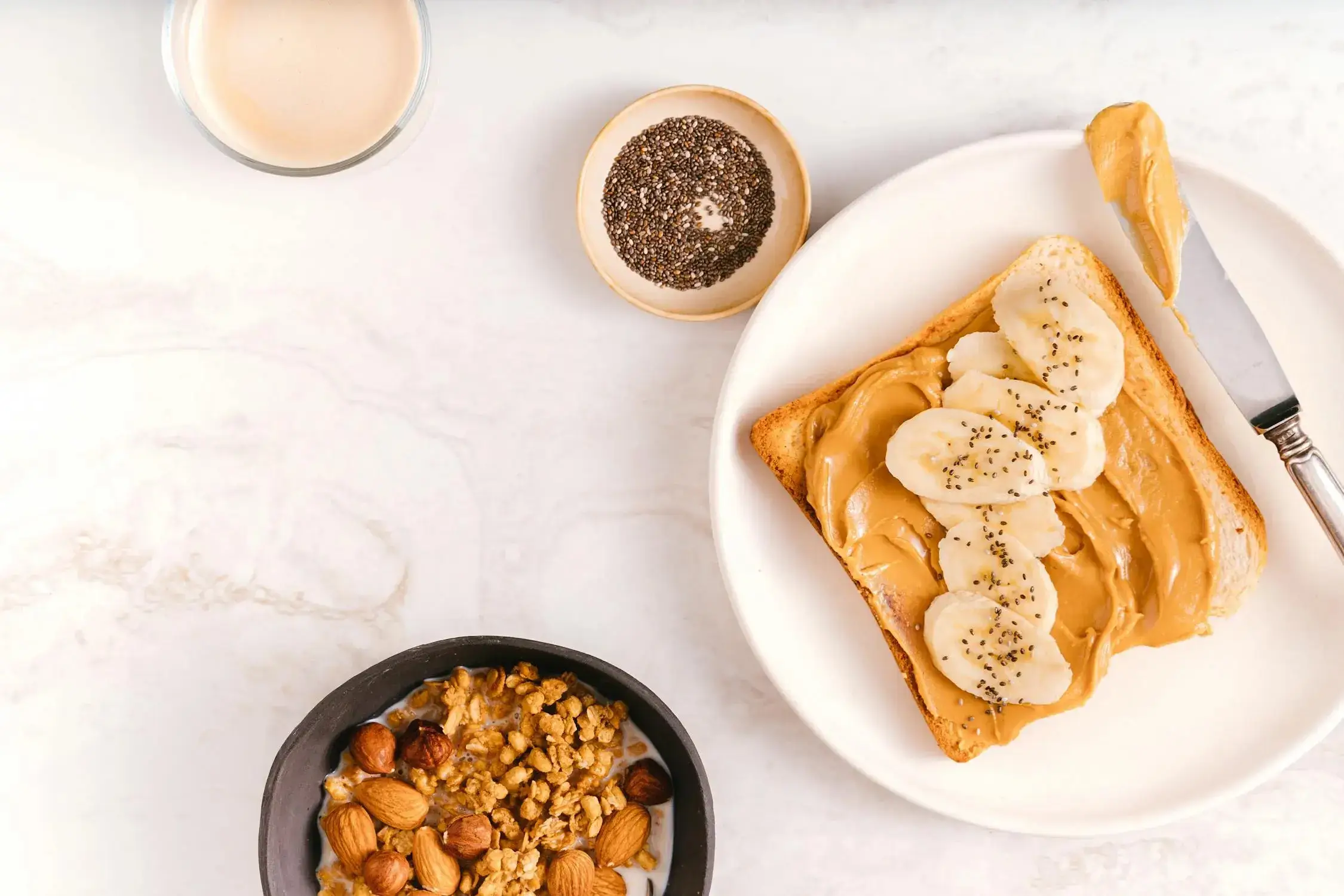
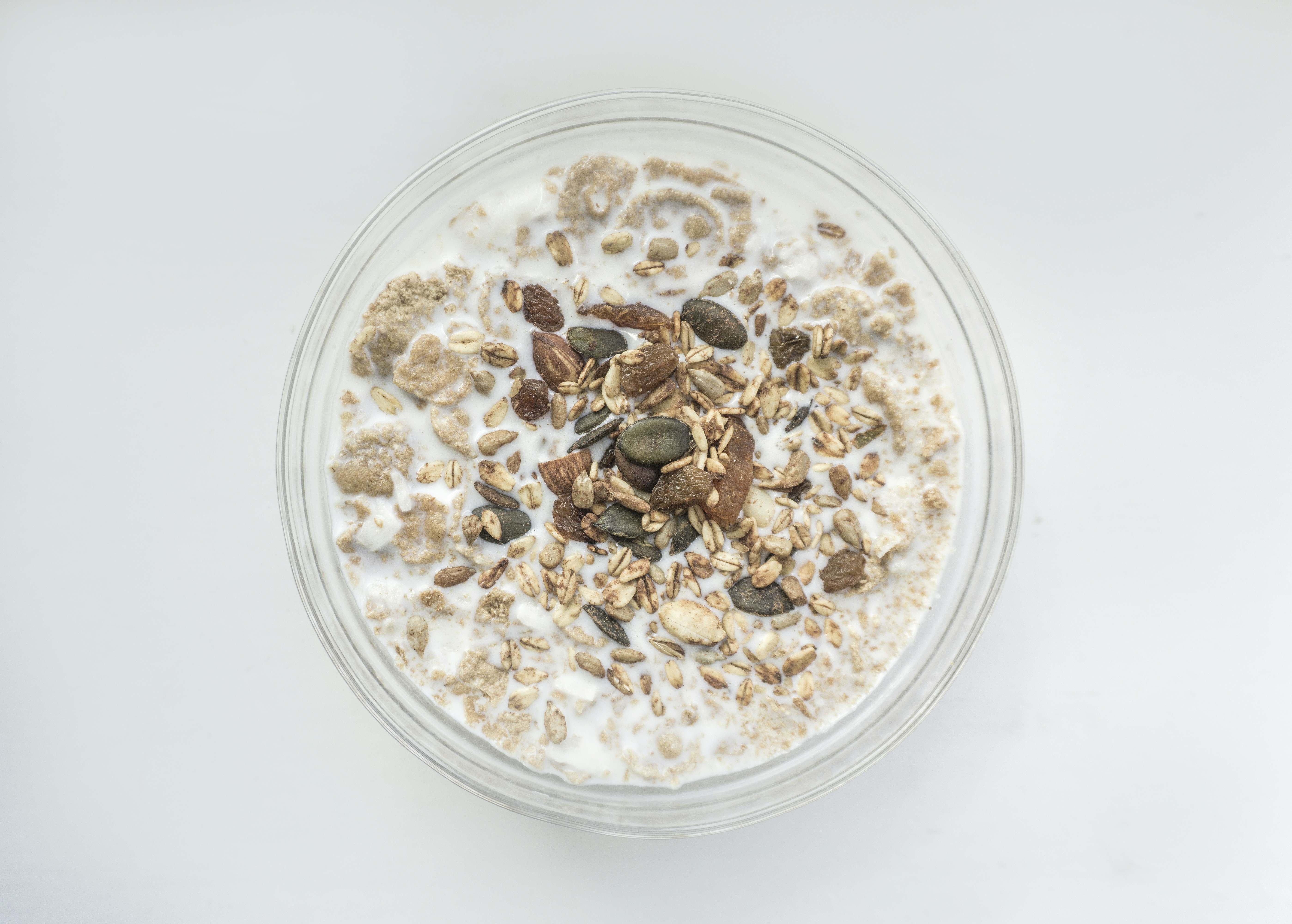
When managing acid reflux, incorporating soothing, nutrient-dense foods into your eating plan is key. These options are less likely to trigger symptoms and can support overall digestive health. Our meal plan features reflux-friendly foods like lean proteins and high-fiber staples, such as brown rice and oatmeal, which are gentle on the stomach and can promote satiety.
Low acid fruits are another great choice to add variety to your meals while minimizing acidity. These include:
Melons: watermelon, cantalope, and honeydew are hydrating and easy to digest
Pears: naturally sweet and full of fiber
Apples: particularly non-acidic varieties like Fuji or Gala
Bananas: a soothing, low-acid snack that’s also rich in potassium
Berries: blueberries, strawberries, and raspberries are typically well-tolerated by those with acid reflux
Keep in mind that everyone’s tolerance is unique. Some foods, even reflux-friendly ones, may still cause symptoms depending on individual sensitivities. A little trial and error can go a long way in identifying what works best for you.
Why Eating Smaller Meals May Help
Do you find your acid reflux flaring up after a big meal? You’re not alone.
Eating a large meal can overfill the stomach, causing it to expand and put extra pressure on the lower esophageal sphincter (LES). This muscle acts as a barrier between the esophagus and the stomach, and when it’s under pressure, it becomes easier for stomach contents to backflow, leading to that familiar burning sensation.