Balance is Key: Carbs, Proteins, and Fats
While micronutrients are important for energy, you also need to make sure that you're getting the right balance of macronutrients.
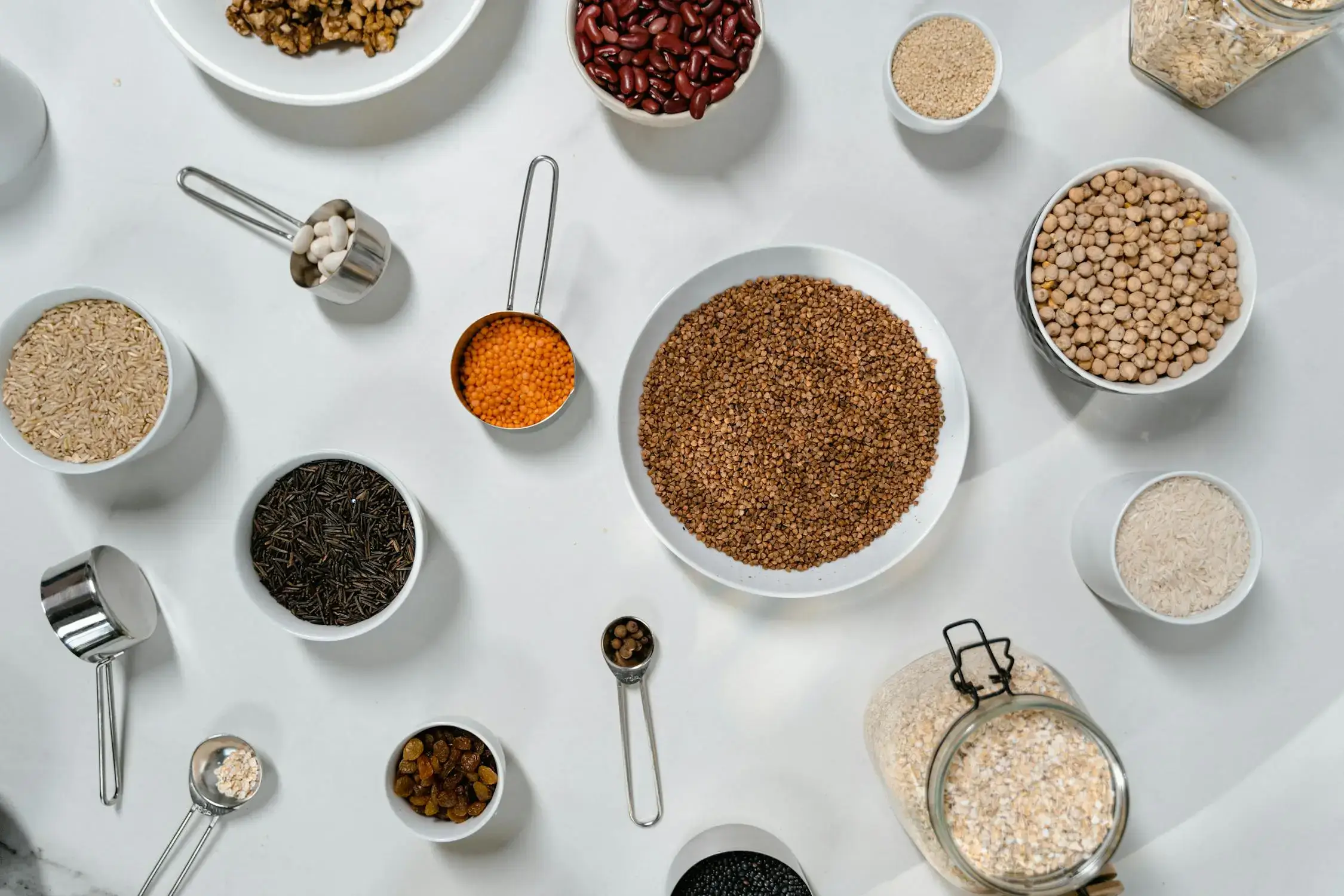
According to the Academy of Nutrition and Dietetics (AND), eating a balanced plate with a mix of protein, fats, and carbohydrates (carbs) will help support energy. AND recommends “complex” carb sources such as whole-grains, fruits, and vegetables. They also advise choosing lean proteins (fish, chicken, legumes, and soy), fat-free or low-fat dairy, and healthy fats (avocado, nuts, and oils) for lasting energy.
When you eat foods that contain carbohydrates, your blood sugar goes up and then slowly drops between meals. “Simple” carbs found in products like cookies, candy, or sugary drinks can spike blood sugar higher than complex carbs. This can lead to a crash later (sometimes called a “sugar crash”), which can leave you feeling tired. Therefore, it’s a good idea to choose complex carbs that include fiber to keep blood sugar more stable. Eating protein with meals can also prevent big spikes in blood sugar.
How Meal Timing Affects Your Daily Energy Flow
Not eating regularly can lead to low energy. The Academy of Nutrition and Dietetics recommends that you stick to a regular eating schedule—eating every three to four hours—to keep your energy up. There is no set definition for what “regular” looks like, but if you’re only eating one or two meals per day, try adding a third meal.
Eating breakfast first thing in the morning can give your body the fuel it needs to get going in the morning. If you skip breakfast, you may find yourself exhausted (and very hungry!) by lunch. Additionally, eating a balanced lunch can help fuel you through the rest of the afternoon and help fight back against a late-afternoon drop in energy, also known as the “afternoon slump.”
Finally, don’t forget dinner! For most people, there is no need to stop eating after a certain time in the evening. If you skip dinner, you may start waking up in the middle of the night hungry. This sleep disruption could then cause low energy during the day.
If you struggle with sticking to a regular eating schedule, try setting alarms to help remember meals. A registered dietitian can also help you determine the optimal meal schedule for you based on your lifestyle and energy levels.
The Role of Hydration in Staying Energized
It may seem simple, but not drinking enough fluids can lead to fatigue. Water is necessary for carrying nutrients to your cells. Your brain also needs water to function properly. But how do you know if you’re drinking enough?
The general guideline for daily fluid intake for adults is ~15.5 eight-ounce cups for men and ~11.5 eight-ounce cups for women. This includes fluids from tea, coffee, fruit, vegetables, etc. Actual water recommendations are nine cups daily for women and 13 cups daily for men.
Your healthcare provider can help determine if you need more or less than the guidelines.
Common Nutritional Pitfalls that Drain Your Energy
Not eating enough, consuming insufficient nutrients, and skipping meals are a few common energy-draining mistakes.
Getting a balance of micronutrients from a variety of food sources can support your energy levels. Aim to eat a variety of fruits, vegetables, nuts, seeds, lean meats, low fat dairy, and complex carbohydrates. Let’s take a look at a sample meal plan to help you get started!
7-Day Meal Plan for Steady Energy Levels
We’ve put together a sample 7-Day Meal Plan to inspire you to eat better for energy levels. The plan provides a balance of protein, fat, and carbohydrates and includes plenty of energy-supporting nutrients like B vitamins, magnesium, and iron. We broke down each meal so you know what foods contain which nutrients.
Day 1
Breakfast
Spinach and mushroom omelet with whole-grain toast and a side of fresh orange slices.
Eggs: B12, B vitamins
Spinach: magnesium, iron
Whole-grain bread (fortified): B vitamins
Orange: vitamin C
Lunch
Grilled chicken salad with quinoa, roasted red peppers, and kale. Dress with olive oil and lemon juice and top with slivered almonds.
Chicken: B12
Quinoa: magnesium
Kale: vitamin C, iron, magnesium
Red peppers: vitamin C
Lemon juice: vitamin C
Almonds: magnesium
Dinner
Baked salmon with roasted sweet potatoes and steamed broccoli. Serve with a side salad of mixed greens and pumpkin needs.
Salmon: B12, vitamin C
Sweet potatoes: magnesium, vitamin C
Broccoli: vitamin C, iron
Greens: iron, magnesium
Pumpkin seeds: magnesium, iron
Day 2
Breakfast
Greek yogurt topped with blueberries, chia seeds, and toasted walnuts.
Yogurt: B12, B vitamins
Blueberries: vitamin C
Chia seeds: magnesium
Lunch
Turkey-avocado wrap on a whole-grain tortilla with hummus and sliced red bell peppers.
Turkey: B12
Whole-grain tortilla: B vitamins
Chickpeas (in the hummus): magnesium, iron
Red bell peppers: vitamin C
Dinner
Lean beef stir-fry with brown rice and spinach. Top with toasted sesame seeds.
Beef: B12, iron
Brown rice: B vitamins
Spinach: vitamin C, iron, magnesium
Sesame seeds: magnesium
Day 3
Breakfast
Fortified whole-grain cereal with low-fat milk and sliced bananas. Serve with half of a grapefruit on the side.
Fortified whole-grain cereal: B12, B vitamins
Milk: B12
Banana: magnesium
Grapefruit: vitamin C
Lunch
Cozy lentil soup with a side of whole-grain bread for dipping. Add a spinach and arugula side salad with balsamic vinaigrette for extra nutrients!
Lentils: iron, magnesium
Whole-grain bread: B vitamins
Spinach: vitamin C, iron
Arugula: vitamin C, B vitamins (folate)
Dinner
Grilled cod with mashed sweet potatoes and green beans. End the meal with a few pieces of rich dark chocolate.
Cod: B12
Green beans: vitamin C
Dark chocolate: magnesium
Day 4
Breakfast
Scrambled eggs and smoked salmon on whole-grain toast with a side of mixed berries.
Eggs: B12
Salmon: B12
Whole-grain bread: B vitamins
Lunch
Chickpea and spinach curry with brown rice
Chickpeas: magnesium, iron
Spinach: vitamin C, iron
Brown rice: B vitamins
Dinner
Lean roast beef with quinoa and steamed asparagus.
Lean beef: B12, iron
Quinoa: magnesium
Asparagus: vitamin C
Day 5
Breakfast
Smoothie with kale, pineapple, protein powder, and chia seeds.
Kale: vitamin C, iron
Pineapple: vitamin C
Chia seeds: magnesium
Lunch
Tuna salad on whole-grain bread with lettuce and tomato
Tuna: iron
Whole-grain bread: B vitamins
Dinner
Grilled chicken breast with roasted Brussels sprouts and a baked russet potato.
Chicken: B12
Brussels sprouts: vitamin C
Russet potato (skin eaten): magnesium
Day 6
Breakfast
Avocado toast on a whole-grain English muffin topped with a poached egg. Serve with a glass of 100% orange juice on the side.
Egg: B12
Whole-grain English muffin: B vitamins
Orange juice: vitamin C
Lunch
Shrimp stir-fry with red bell peppers, edamame, and mushrooms, served over whole-grain rice noodles.
Shrimp: B12
Red bell peppers: vitamin C
Edamame: magnesium
Whole-grain rice noodles: B vitamins
Dinner
Lean pork tenderloin with roasted carrot and wild rice.
Pork: B12, B vitamins (B6), iron
Wild rice: magnesium
Day 7
Breakfast
Oatmeal with almond butter mixed in and topped with sliced strawberries and flaxseeds.
Oats: B vitamins
Almond butter: magnesium
Strawberries: vitamin C
Lunch
Tofu and quinoa salad with spinach, roasted red peppers, and feta cheese.
Quinoia: magnesium
Red peppers: vitamin C
Feta cheese: B12
Tofu: iron
Dinner
Grilled chicken tacos with corn tortillas, avocado, black beans, and salsa.
Chicken: B12
Salsa: vitamin C
Black beans: iron, magnesium
How Working with a Dietitian Can Help
Remember, the meal plan above is only an example. If you’re looking for a meal plan for energy that takes your personal preferences, health status, and goals into account, we’ve got you covered! Working with a Season Dietitian can give you the clarity and guidance you need to take your nutrition to the next level. Stop letting fatigue hold you back from living your best life!