Steatosis refers to a buildup of fat in the tissues and steatotic (fatty) liver is a buildup of fat in the liver. When this buildup causes problems, it’s considered steatotic liver disease (SLD). While there is no single diet for SLD, there are certain guidelines you should know about to help manage the condition. Read on for the ultimate 7-Day meal plan to help fatty liver (now known as steatotic liver).
Understanding Steatotic (Fatty) Liver Disease
What Is Steatotic (Fatty) Liver Disease?
Steatotic liver disease (SLD) refers to several conditions associated with fat buildup in the liver. While the causes of SLD are not fully known, there are a variety of risk factors including the heavy use of alcohol and chronic metabolic conditions, such as type 2 diabetes and insulin resistance
While it doesn’t usually cause symptoms, people with SLD may experience abdominal (belly) pain and exhaustion. A blood test for liver enzymes is often the first sign of SLD. Other tests may include imaging scans and biopsies to confirm the diagnosis.
There is no specific treatment or medications for SLD. The main focus is to manage the risk factors. This includes avoiding alcohol, losing weight, and managing metabolic conditions, such as diabetes and high cholesterol.
Fatty Liver Disease Renamed
The conditions associated with steatotic liver have been renamed in order to better clarify the potential causes.
Fatty liver disease –> steatotic liver disease (SLD)
SLD refers to a buildup of fat in the liver and includes multiple subcategories that are based on the associated risk factors.
Nonalcoholic Fatty Liver Disease (NAFLD) –> Metabolic dysfunction-associated steatotic liver disease (MASLD)
MASLD is named for the metabolic risk factors that are associated with it. These include obesity, type 2 diabetes, high blood pressure, and hyperlipidemia (such as high cholesterol and high triglycerides). This type of liver disease is not associated with heavy alcohol use, which is why it used to be called “nonalcoholic.”
Alcoholic liver disease > alcohol-related liver disease (ALD)
In ALD, excessive alcohol intake causes some of the liver cells to die. These cells are unable to be replaced by new cells fast enough so fat builds up (steatosis).
What to Eat for Steatotic (Fatty) Liver Disease
No single diet is recommended for steatotic liver disease. The American College of Gastroenterology recommends reducing calories, emphasizing fruits and vegetables, and limiting processed foods and added sugars. Although many diets may be beneficial for MASLD, the Mediterranean diet seems the most popular among researchers and clinicians.
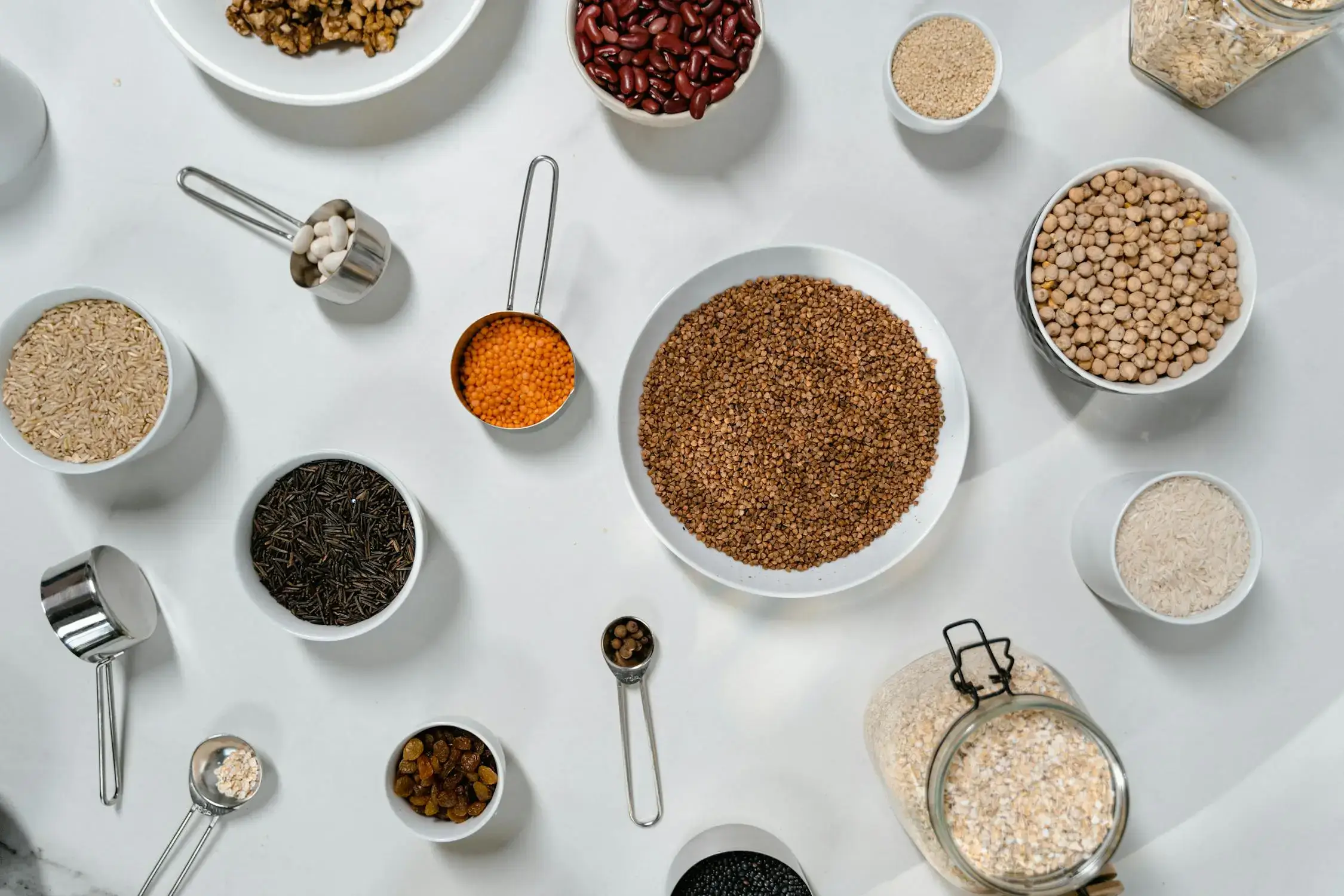
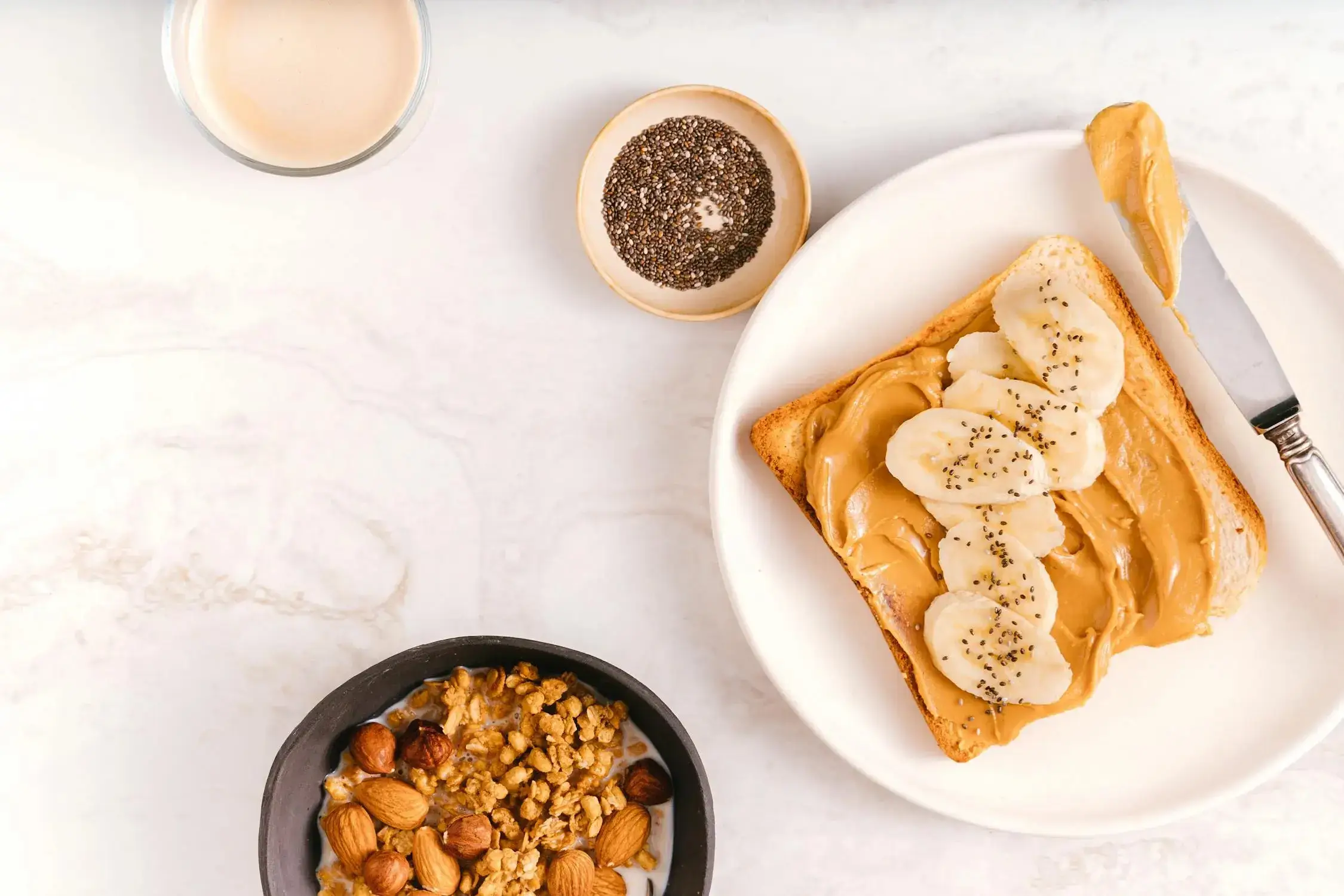
The Mediterranean diet is an eating plan that focuses on whole grains, fruits and vegetables, beans and legumes, nuts and seeds, and olive oil. It also includes moderate amounts of dairy products, eggs, fish, and poultry.
Research into the Mediterranean diet for MASLD is ongoing. ne reason for the Mediterranean diet is its potential to decrease risk factors for MASLD, such as cardiovascular disease, metabolic syndrome, and type 2 diabetes.
Coffee may also provide benefits for MASLD. It is possible coffee prevents additional fat buildup and protects liver tissue, but additional research is needed. Coffee may not be appropriate for everyone, including those who are sensitive to caffeine, people with high blood pressure, or those who are pregnant or nursing.
Be sure to check with your healthcare provider before making any changes to your diet as these nutrition guidelines can vary significantly from person to person.
Foods to Avoid: Saturated Fats and Added Sugars
Avoiding alcohol is an important part of reducing complications from steatotic liver. This applies to all types of steatotic liver disease including both ALD and MASLD. This is because alcohol can increase the buildup of fat in the liver.
It is also recommended to eat less red meat and limit sweets and added sugars. This study found an association between red meat consumption and MASLD. In a population with low red meat consumption, those who ate the most red meat had higher risks for MASLD. Research suggests that diets high in simple sugars may be associated with fat buildup in the liver.